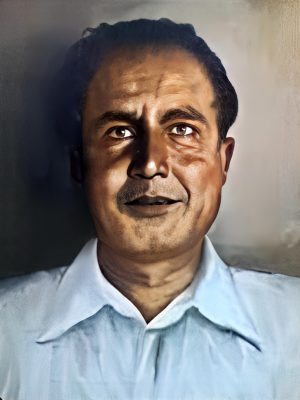
Freedom Fighter Martyr Shibsankar Choudhury
Shibsankar Choudhury was born on May 10, 1912, in a well to do family in Bazar village, located in the Bazar-Bankapashi area of the Shrikhanda Block under the Katwa Subdivision. He was the youngest son of Rakhaldas Choudhury and Prabhabati Devi. After completing his primary education, he was enrolled in the fifth grade at Mathrun M.V. Institution in 1923 and began residing in the hostel. The headmaster of his school was the renowned poet Kumudranjan Mallick.
While studying in the tenth grade, in 1930, Mahatma Gandhi called for the Salt Satyagraha and initiated the movement. Shibsankar Choudhury enlisted himself in the district’s list of Salt Satyagrahis and was selected as a volunteer Satyagrahi. While traveling to Kathi Subdivision of the then undivided Midnapore district, the police blocked their path. When they attempted to break through the blockade, the police arrested and brutally beat them with lathis (batons).
In 1932, after joining the Satyagraha movement, Shibsankar Choudhury was arrested in Burdwan town. Following his trial, he was sentenced to two years of imprisonment and fined 200 rupees. As he refused to pay the fine, an additional six months of rigorous imprisonment was imposed. He was subsequently transferred to Dum Dum Special Jail.
During British rule, Satyagrahis were treated as ordinary prisoners, and as a result, he was forced to provide fingerprints. However, the Congress leadership had initially decided against giving fingerprints as a form of protest. Although the leadership later changed its stance, Shibsankar Choudhury remained steadfast in his refusal. This defiance led to severe torture.
At that time, a brutal punishment method known as “KambalDholai” was practiced in the jail. Prisoners were covered with a soaked blanket (kambal) from head to toe and then beaten with batons or the butt of a rifle. This method ensured that no visible marks were left on the body, though the pain remained unbearable. It is said that Shibsankar Choudhury was subjected to this form of torture, which left permanent scars on his forehead. Many believe that the character of Bhupesh Sen in LauhaKapat (The Iron Gate) was inspired from him.
Shibsankar Choudhury, along with Saroj Mukherjee and Binoy Choudhury, worked towards raising public awareness in various villages under the jurisdiction of the Sadar police station using a magic lantern. In 1940, at the Barakar Conference, Fakir Chandra Roy was elected as the President of the District Congress, defeating the right-wing faction of the party. Promothanath Bandopadhyay and Zahed Ali were elected as Vice-Presidents, while Shibsankar Choudhury was appointed as the Secretary.
In 1935, the Communist Party was established in Burdwan district, with its Founding Secretary being Syed Shahedullah, popularly known as Motorda. Shibsankar Choudhury became a party member in 1938, along with Binoy Choudhury and Harekrishna Konar, who also joined the same year.
Shibsankar Choudhury had an innate inclination toward serving the distressed. During the devastating famine of 1943, a Famine Relief Committee was formed to aid the famine-stricken population. Bhujanga Bhushan Sen was appointed as the committee’s secretary. The committee worked towards collecting food for the victims, organizing volunteers to write and distribute ration cards, and pressuring the administration to ensure proper ration distribution. Alongside Shibsankar Choudhury, key leaders in this effort included Motorda, Harekrishna Konar, and Aluda (Shibprasad Dutta).
Shibsankar Choudhury dedicated his entire life to standing beside the distressed and vulnerable. In his service to humanity, he never let political affiliations influence his actions.
From an outsider’s perspective, many perceived him as a stern and serious individual. However, those who had the opportunity to interact with him experienced the complete opposite.
On May 23, 1971, at around 7 PM, Shibsankar Choudhury was assassinated by an assailant near B.C. Road in Burdwan town, just a few yards away from the Sadar police station.
The idea of keeping alive the memory of Shibsankar Choudhury, a compassionate and principled individual, was deeply ingrained among party workers and well-wishers. The initial effort to realize this vision was undertaken by Nirupam Sen and Syed Shahedullah. Preliminary discussions were held, followed by a larger meeting at the residence of the late political leader Krishnachandra Haldar at 2 No. Shyambazar Lane. This marked the beginning of the search for a suitable plot of land.
Eventually, they approached Nitaipada Choudhury (of Kachari Road), who generously donated land in Baburbag. On this donated land, the Saheed Shibsankar Seba Samity building was established. Those who were approached for financial contributions donated beyond their means to support the cause.
On May 23, 1978, the foundation stone of the building was laid by Promode Dasgupta. The first president of the association’s governing body was freedom fighter Fakir Chandra Roy, while Dr. Chandrasekhar Chatterjee served as the secretary. Initially, the organization operated solely as an outpatient facility. However, over time, it expanded its services to conduct health check-ups in neighboring villages such as Krishnapur, Saraitikar, and Khagragarh, located along the adjacent Sadar Block.
Many doctors voluntarily participated in this initiative. Based on their suggestions, specialized departments were introduced. In coordination with the governing body, they maintained communication with outdoor and departmental doctors to schedule consultation days and timings. To enhance medical services, diagnostic facilities for blood, stool, and urine tests were established at the request of doctors. Later, through the initiative of Nirupam Sen and with the support of PENPOL, the Rashmi Blood Bank was founded. An ambulance was also purchased to improve emergency medical assistance.
In memory of Fakir Chandra Roy, the Fakir Chandra Roy Memorial Library was established, housing a vast collection of valuable books. Due to its rare collection, university researchers frequently used the library. Additionally, the publication of the journal Swasthya O Manush (Health and People) was initiated.
The association declared its motto: “Health is not a commodity — it is a human right.” To spread awareness and promote public health consciousness, a health fair (Swasthya Mela) was organized, attracting a large number of people. However, due to financial constraints, the fair was discontinued after a few years.
Although Shibsankar Choudhury was martyred and is no longer physically present, his memory continues to inspire hundreds to thousands, and from thousands to millions. Ultimately, in 1977, terrorism was defeated, and the Left Front government was established in West Bengal. In 1978, the Saheed Shibsankar Seba Samity was founded in Burdwan, dedicated to carrying forward his ideals.
Organizers have firmly established Saheed Shibsankar Seba Samity as a strong force in the public health movement. Its branches continue to expand, including rural health centers, the Rashmi Blood Bank, clinical laboratories, the publication of Swasthya O Manush, and the Fakir Chandra Roy Memorial General Library, among many other initiatives. Simultaneously, in factories, agricultural fields, and among workers and farmers, countless people continue to fight for the right to healthcare and justice.
First Governing Body Members of Saheed Shibsankar Seba Samity Registerd on 22 May 1978
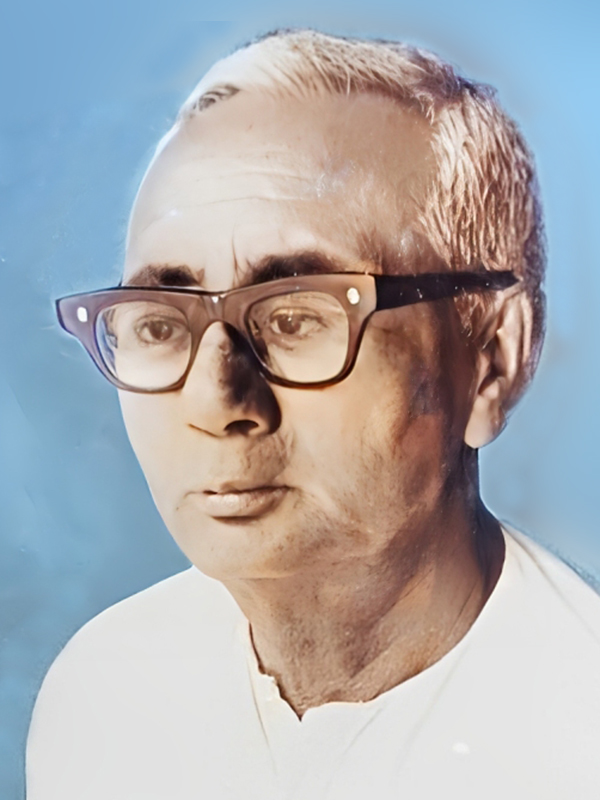
President
Fakir Chandra Roy
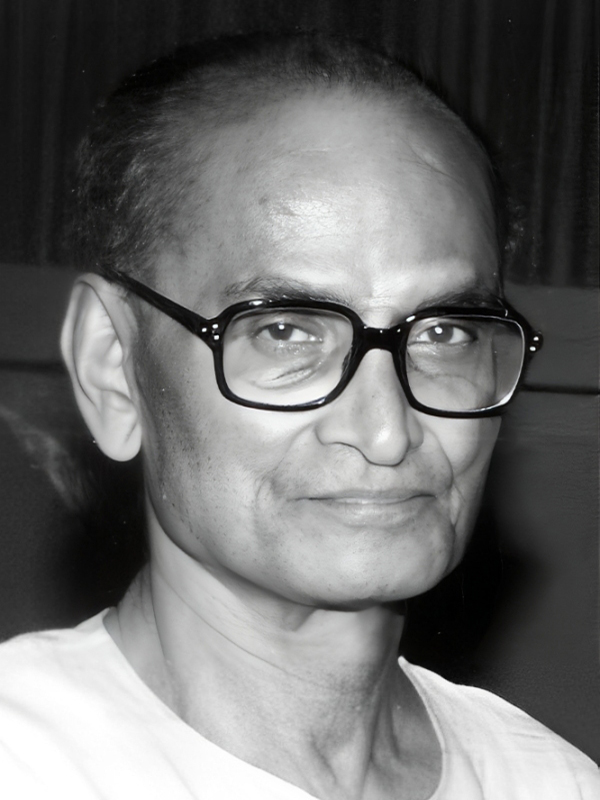
Vice-President
Binoy Krishna Choudhury
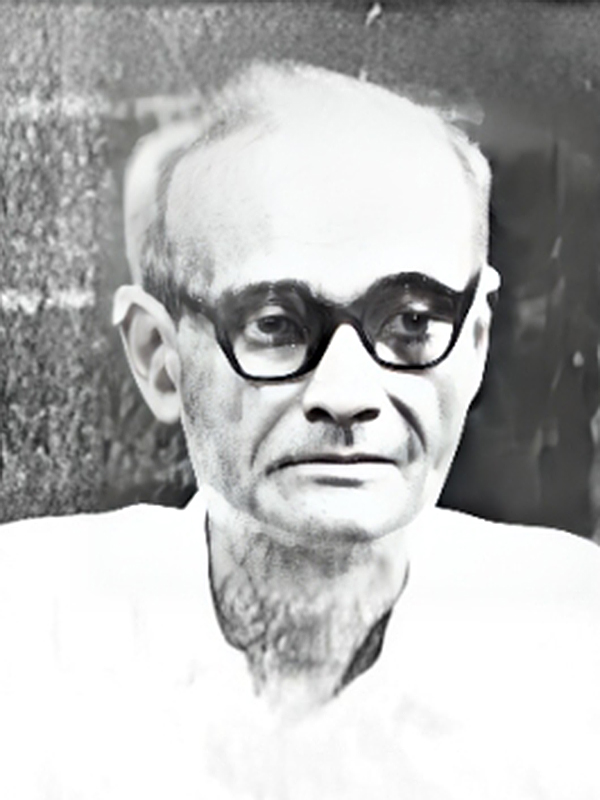
Secretary
Dr. Chandrasekhar Chatterjee
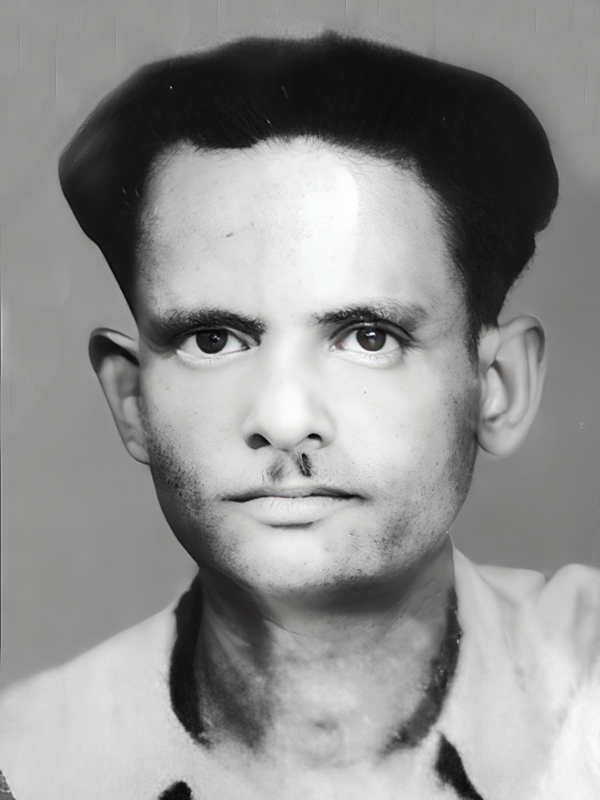
Treassurer
Shibaprasad Dutta
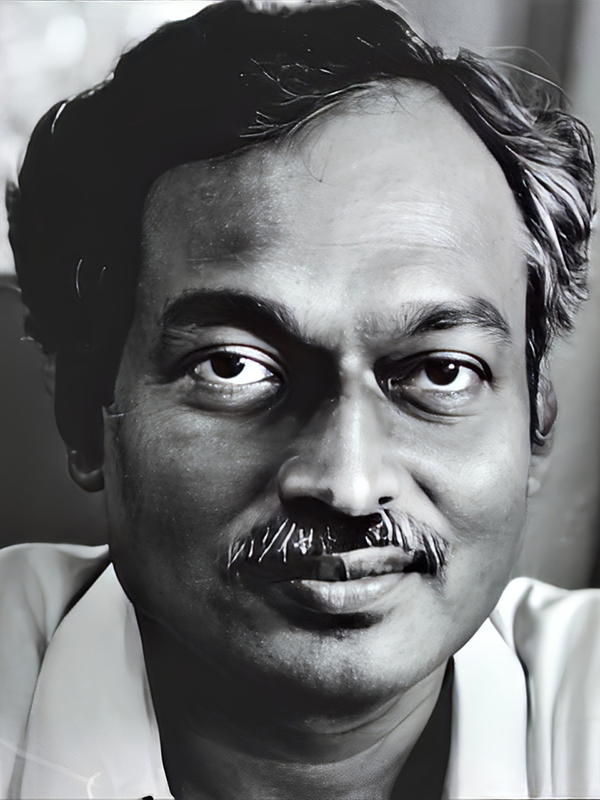
Assistant Secretary
Nirupam Sen
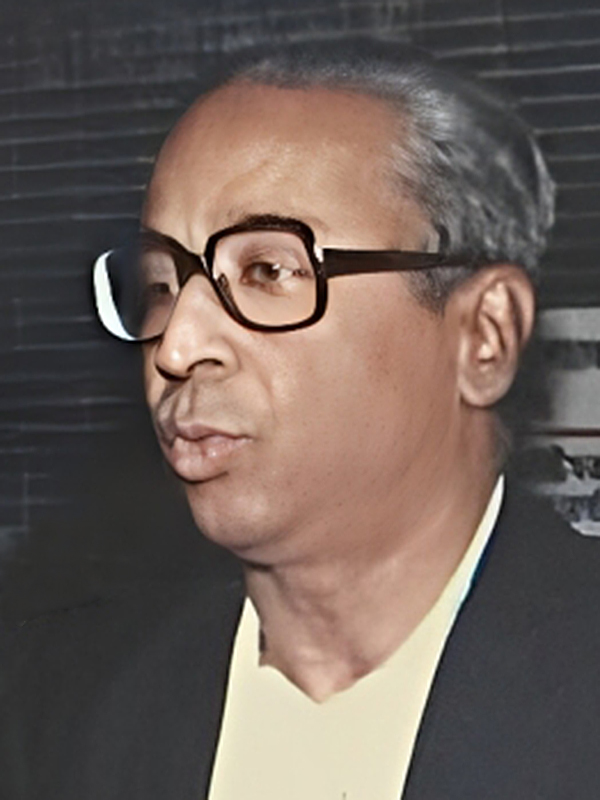
Trustee
Balai Chandra Roy
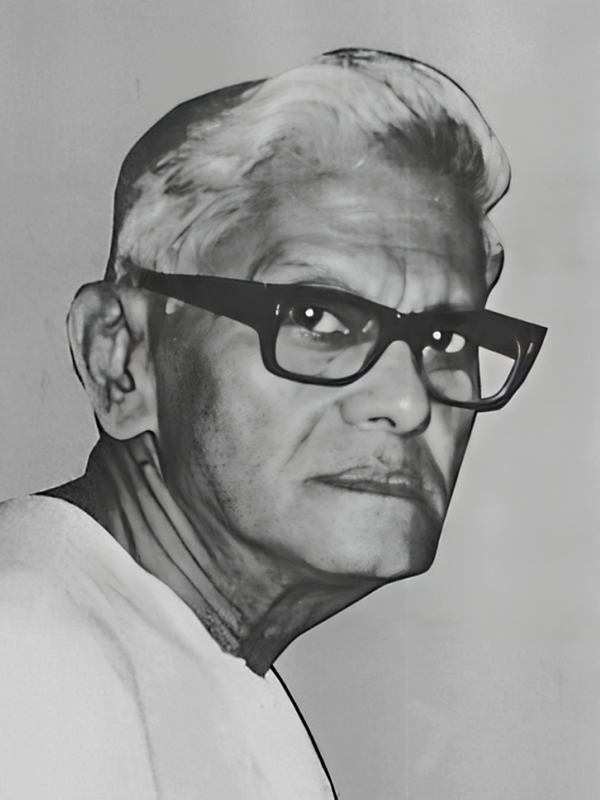
Trustee
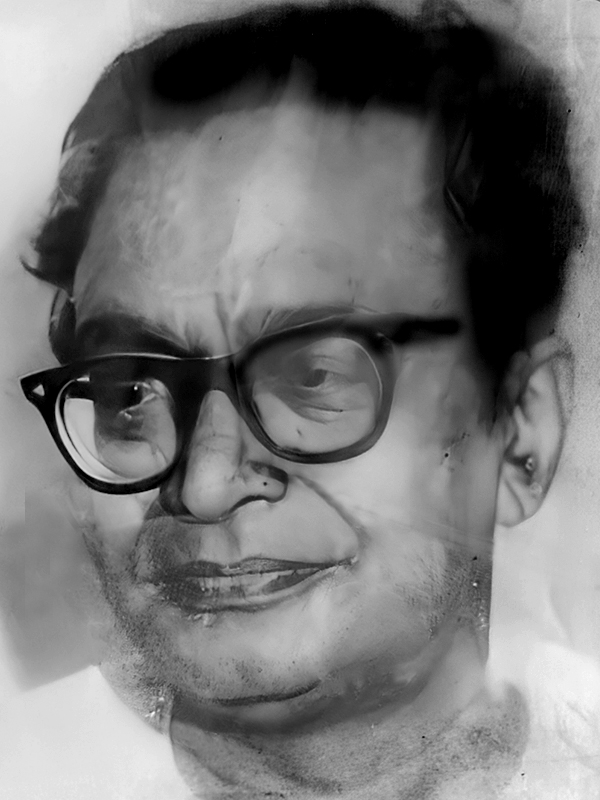
Krishna Chandra Haldar
Trustee
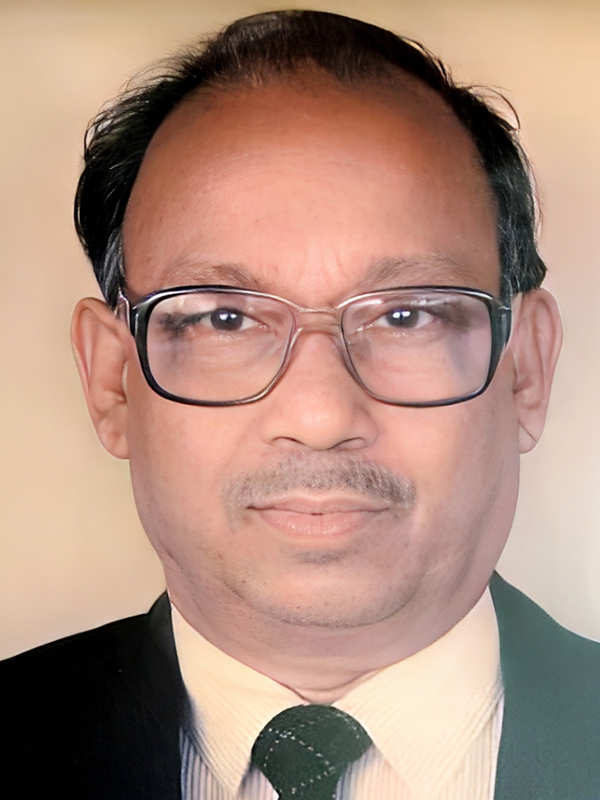
Syed Shahedullah
Trustee
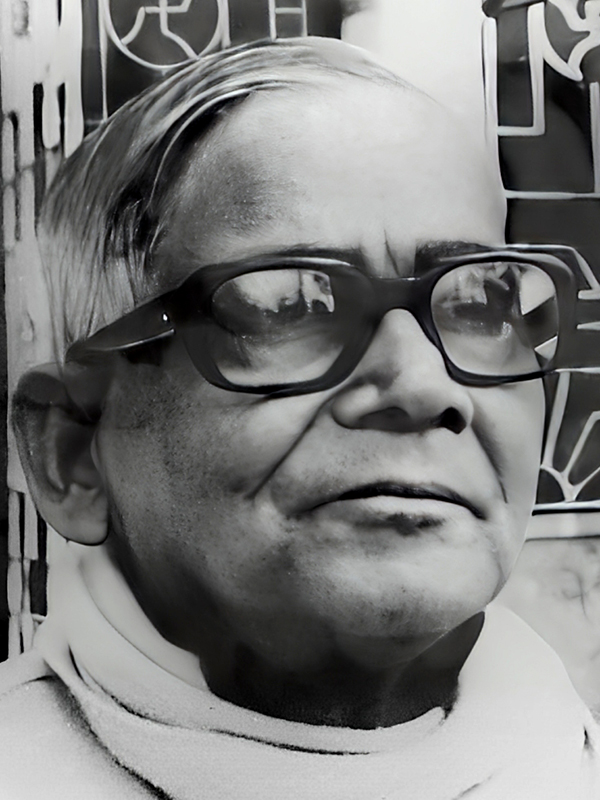
Dr. Samarendra Choudhury
Trustee
Nitai Pada Choudhury
On Saheed Shibsankar
Speech by Fakir Chandra Roy,
Founding President of Saheed Shibsankar Seba Samity
Saheed Shibsankar was a principled revolutionary and a dedicated social worker. When Sukumar Banerjee was martyred in the brutal attack by British rulers at Raniganj Paper Mill, Shibsankar immediately abandoned his meal, simply saying, “I am coming,” and rushed out on his bicycle. Until his last breath, that bicycle remained his constant companion and means of transport.
Committed to the liberation of the oppressed and exploited, the fearless fighter Shibsankar fell victim to reactionary terrorism in 1971-72. He was martyred on Burdwan’s main street, B.C. Road, just a few hundred yards from the police station. The broad chest of this lifelong selfless public servant was pierced by the assassin’s bullet. As he lay dying, he asked for a drop of water but received none before breathing his last. Unbelievable as it may seem, this is the truth.
However, martyrs never truly die. Defying the arrogance of his killers, Shibsankar lives on—through the realization of his unfinished work and the relentless efforts of his countless admirers and comrades. The Saheed Shibsankar Seba Samity, the Seba Sadan, and the Swasthya Mela stand as living symbols of his ideals. Today, the vision of a single Shibsankar continues to manifest through the years.
Through three Swasthya Melas, the Saheed Shibsankar Seba Samity has introduced a new dimension to the public health movement. I firmly believe that this year’s Swasthya Mela will take this movement another step forward.
In conclusion, I extend my best wishes to all those who have stepped forward with dedication to carry forward Shibsankar’s ideals. May their collective, selfless efforts continue to succeed and grow.
(Presented by Shri Fakir Chandra Roy as President of the Fourth Swasthya Mela, 1987)